Tranvo Delivery
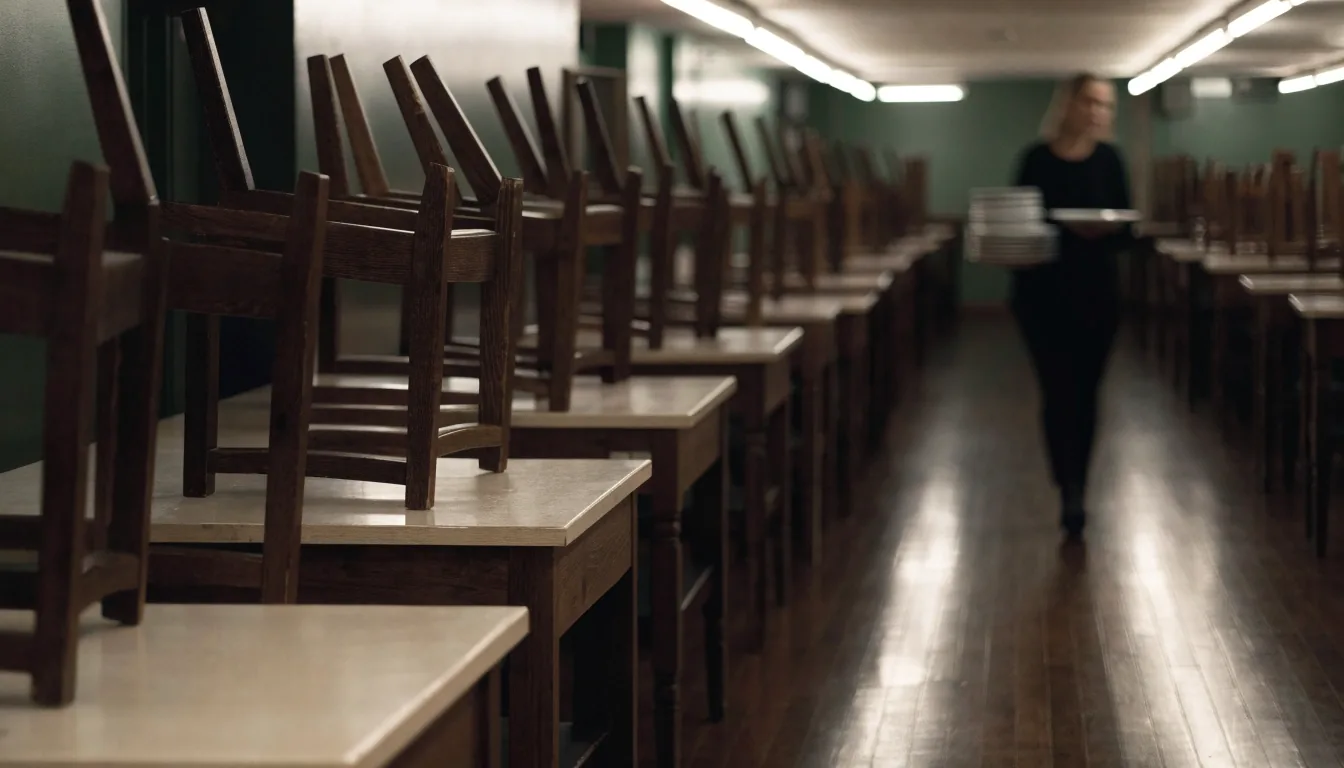
A casual-dining dining room with chairs stacked on the tables after the last guests have left, lit by overhead strip lights
Chains compared

Casual dining chains, compared honestly

— eight names, three things that actually decide the night

Where this gets hard

Casual dining is a broad label. It covers a steakhouse, a golf-bay venue, and a family Italian room with the same three words.

That is why “where should we eat” gets harder, not easier, once you have narrowed it down to chains. The logo on the building tells you almost nothing about the night you are about to have. A group that wants to yell at a fourth quarter and a couple that wants to hear each other talk are both looking at the same kind of restaurant.

This comparison lines up eight well-known names — Miller’s Ale House, Olive Garden, TGI Fridays, LongHorn Steakhouse, Bonefish Grill, Red Robin, Topgolf, and The Cheesecake Factory — on the things that actually decide the evening. Not the logo, not the ad campaign, not the slogan on the napkin. Menu style, atmosphere, and the occasion each one is genuinely good at.

Read it before you pick a place for a group, or skim to the chain you already have in mind. Either way, you finish with a short list instead of an argument.

and the nine restaurants start arguing back
How we compare them

Three axes carry this whole comparison: what the menu is built around, what the room actually feels like on a normal weeknight, and which occasion the place is genuinely good at. That is the entire method.

Price is not an axis here. Chain pricing moves by region, by day of the week, and by whatever is on the menu cycle that month, so a clean number would be wrong for most readers before the page loaded. Quality is not an axis either. Across a national footprint, the same name can be sharp and steady in one county and stretched thin in the next, and no honest side-by-side can settle that.

Menu, atmosphere, occasion. Those three predict whether your group has a good night better than any ranking, and they are the parts of the evening a chain actually controls.

The room-first four

These are the chains you walk into expecting a particular kind of night. Each entry below states what the menu is built around, what the room does, and the occasion it fits best — plus the one it fits worst, which is often more useful.

Miller’s Ale House: sports bar with a full kitchen

Groups, game days, late nights

The menu is built around shareables, burgers, and a full-service bar with draft beer as the anchor. The room is loud and screen-heavy, and it runs hot on game days. Best occasion: a group watching sports, a late dinner, anything where the bar is part of the plan. Weakest occasion: a quiet meal for two.

Olive Garden: Italian-American comfort, built for families

Family tables

Italian-American comfort food with a national footprint, and family dinners as the core use case. The menu is predictable on purpose, and breadsticks and large portions do a lot of the work. Atmosphere is casual table service from the door to the check. Best occasion: a family dinner where nobody wants to negotiate over the menu.

TGI Fridays: appetizers, burgers, and a cocktail bar

Drinks and shared plates

A long-running American bar-and-grill concept, historically tied to casual group gatherings. It is known for appetizers, burgers, and cocktail-driven dining, and it is usually judged on service consistency and on how the bar feels. Best occasion: a group that wants drinks and shared plates without a sports-bar crowd around it.

LongHorn Steakhouse: mainstream steakhouse, straightforward service

The steak is the reason

A casual steakhouse format that appeals to both family and business-dinner crowds, and it is typically compared on consistency and on straightforward value. Steaks are the center of the menu and the service stays unfussy. Best occasion: a dinner where the steak is the reason you booked, including a low-key business meal where the table needs to stay easy.

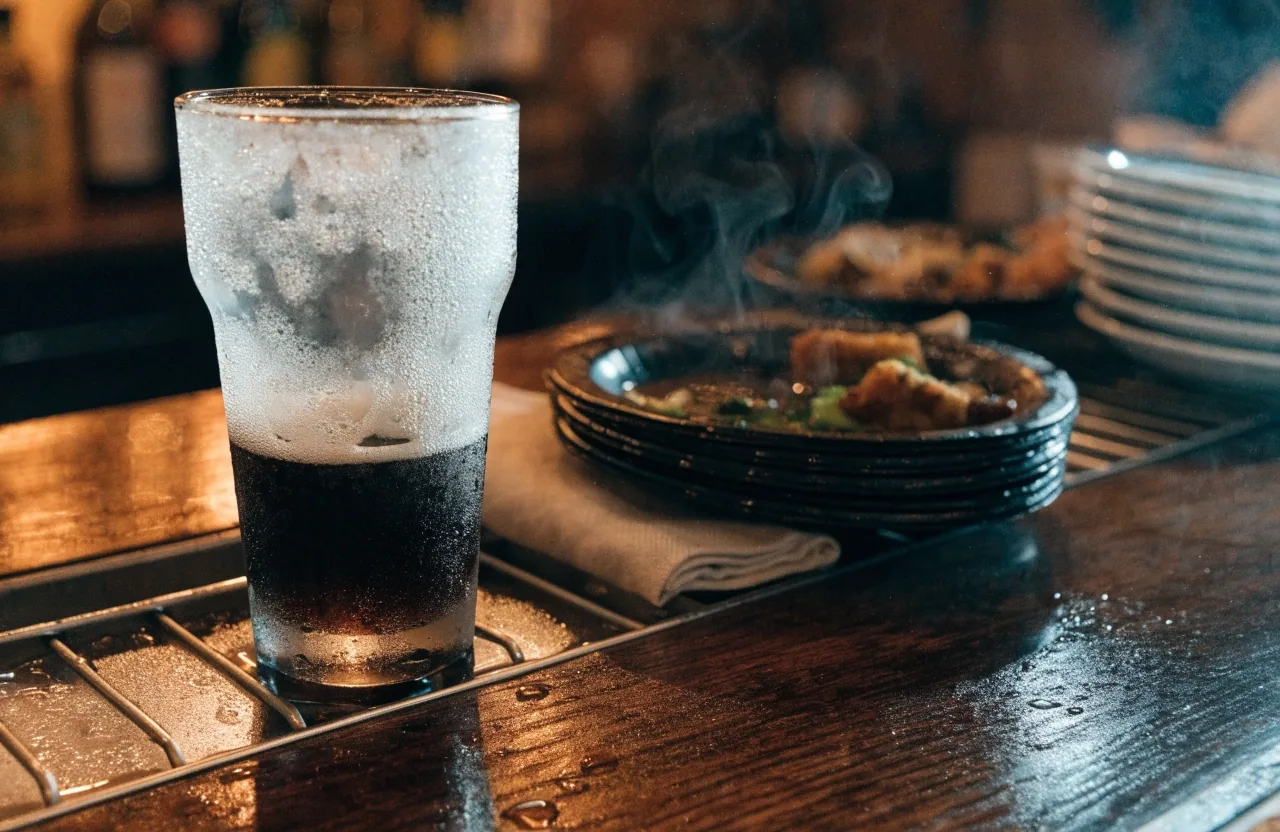
A frosted pint and a fresh plate of shareable appetizers on a busy bar top during service at a casual grill

Bar and kitchen, one roof

Half the room is bar. The other half is a real kitchen.

This is the split that gets missed when people compare chains on a menu grid alone. A sports bar with a full kitchen and a bar-and-grill concept with a cocktail program both serve burgers and both pour beer — and they still produce completely different nights, because the thing your group actually does there changes.

When the bar sets the tempo, the table becomes a base of operations. When the kitchen sets the tempo, the bar is a waiting area. Most comparisons blur the two, and the resulting shortlist sends a book club to a sports bar or a watch party to a quiet dining room.

Read the room before the menu

  • Screens everywhere — the group will half-watch the game. Plan for shared plates and staggered arrivals.

  • A long cocktail bar — the group will stand before it sits. That is fine if nobody came in hungry and impatient.

  • Quiet dining room — the conversation is the point. A big party will feel polite rather than lively.

The room-and-outing four

These four carry most of the same menu categories as the group above, and they still do not compete for the same reservation. What separates them is how much of the night happens away from the table.

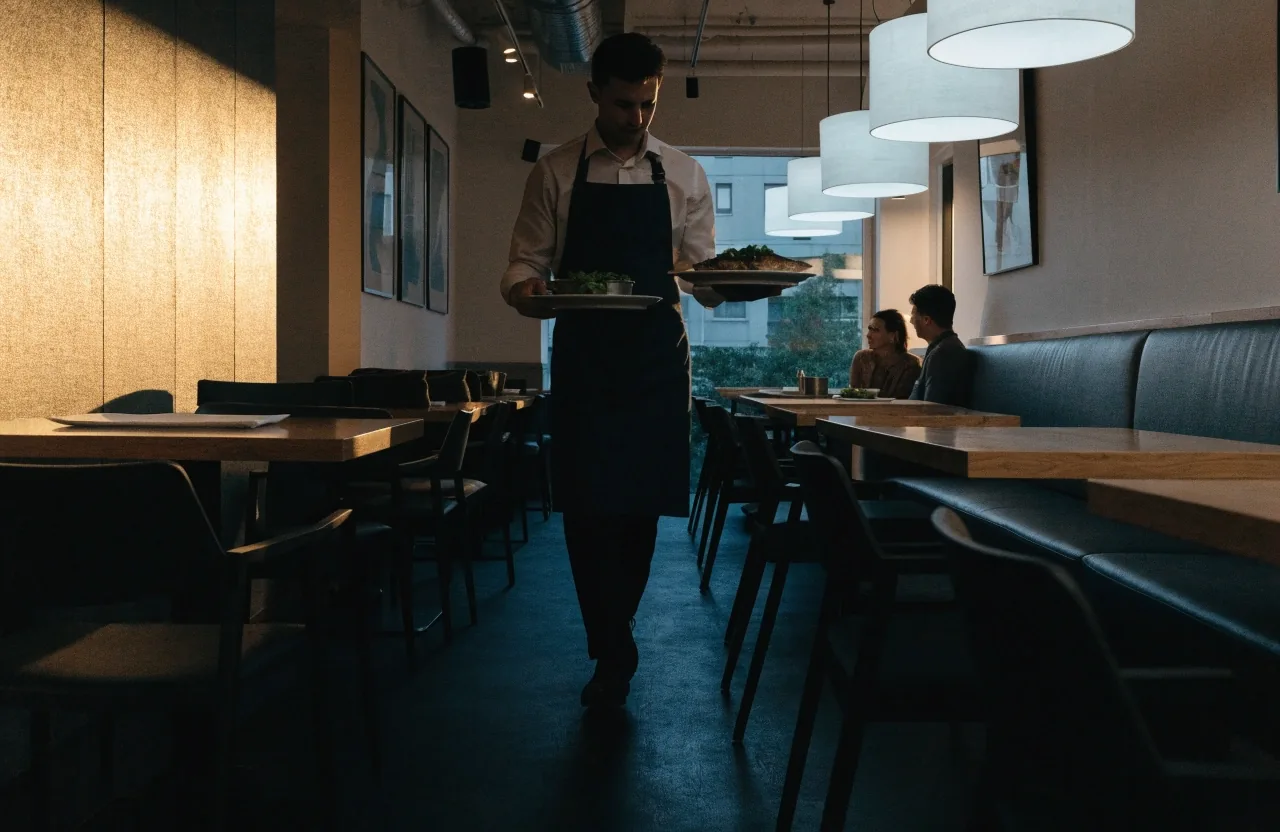
A quieter casual seafood grill dining room mid-service with a table of two and grilled fish plated at the center

Bonefish Grill: seafood and a quieter room

A casual-dining chain focused on seafood, known for grilled fish and a more polished setting than most of this list. It appeals to diners looking for a quieter alternative to sports bars, and it is usually compared on freshness, atmosphere, and service. Best occasion: a seated dinner where conversation matters more than screens.

Quieter, conversation first
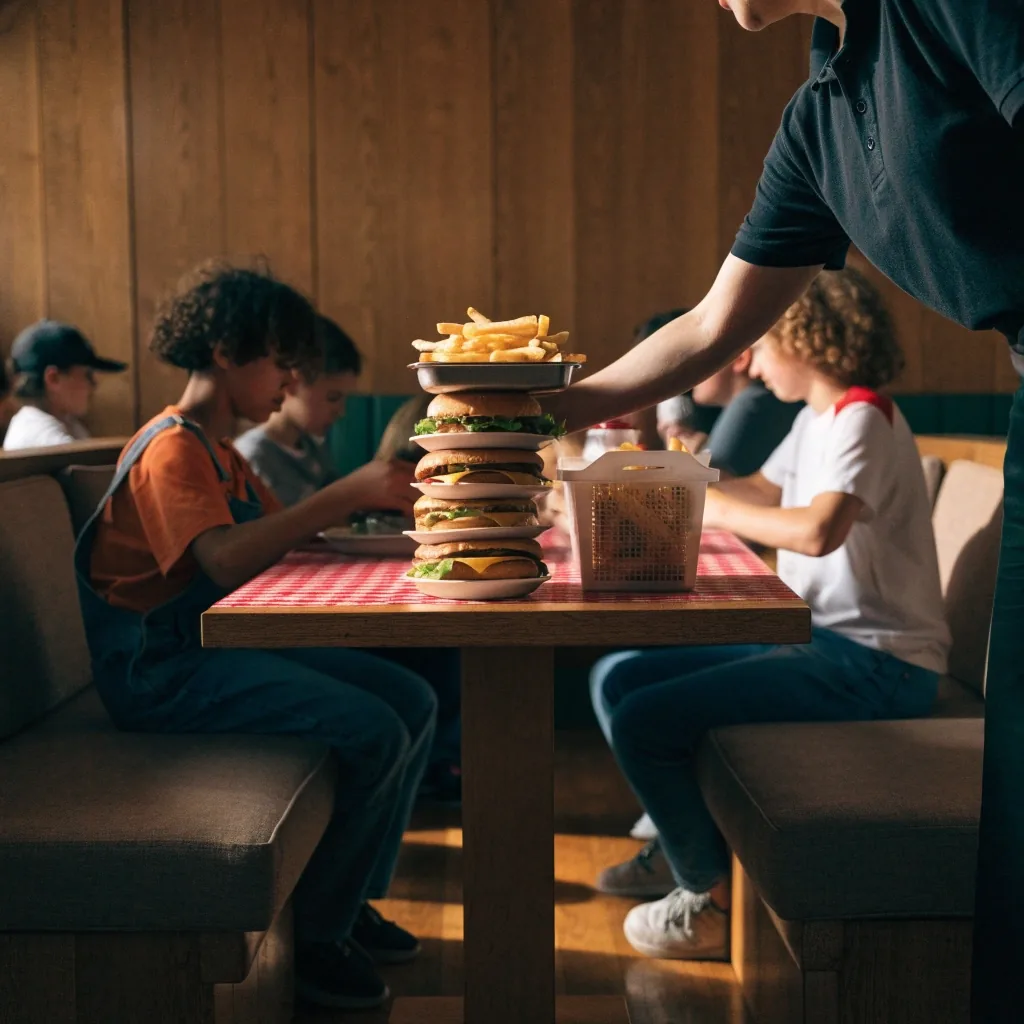
A family seated in a long upholstered booth at a burger restaurant, plates and fries spread across the table

Red Robin: burgers and family seating

An American casual chain centered on burgers, known for bottomless fries and family-friendly seating. It competes in the value-conscious casual segment. Best occasion: group meals with kids and teens, where the bill staying reasonable is part of the goal.

Kids and teens, value-leaning

The outlier

Topgolf is an outing, not a dinner

A sports-entertainment venue built around golf bays and food service, known for social play, drinks, and group events. It competes for outing budgets rather than for pure dinner occasions, using an experience-first model instead of traditional table dining.

That is why it belongs on this page at all, and why it usually loses a fair menu comparison. If the group already knows it is going to stand up, swing, order drinks, and only then pick at a plate, the food is a companion to the plan instead of the plan itself. Best occasion: a group activity where food is part of the experience, not the point of it.

Two different questions

Dinner question

Where do we sit, order, eat, and talk for ninety minutes? Ranked on menu and table.

Outing question

What do we actually do for three hours, and is food part of doing it? Ranked on the activity.

The Cheesecake Factory: the giant-menu answer

Known for an extremely broad menu and large portions, often chosen by groups with very different tastes, and positioned as upscale casual rather than sports-focused. It is the standard comparison point for menu variety, and it earns that position the boring way: it simply has more of everything.

That size is the feature, and it is also the cost. A group gets a place where nobody has to compromise on cuisine, in exchange for a longer menu than one visit can really explore and a room that stays busy through most service hours. Best occasion: a big group where agreeing on a cuisine is impossible.

and the short version still depends on your county

The longer version of every one of these comparisons depends on which location you are near, since consistency varies by store more than by brand.

Which one to pick, by occasion

If you have three minutes and a group chat that will not decide, read this column and stop scrolling. Everything above is the reasoning behind it.

Family dinner with kids

Olive Garden or Red Robin

Group watching a game

Miller’s Ale House

Drinks and appetizers

TGI Fridays

Steak dinner

LongHorn Steakhouse

Quieter seafood dinner

Bonefish Grill

Group outing with an activity

Topgolf

Big group, no shared taste

The Cheesecake Factory

Questions that come up before the reservation

The short answers below are the ones readers send in most often. Open a row for the reasoning.

Why is Miller’s Ale House the pick for a game-day group and a weak pick for a quiet dinner?

The same thing that makes it work for a sports crowd — a bar as the anchor, screens through the room, and a menu built for sharing — works against a table that came to talk quietly. Every part of the atmosphere is tuned to a group that came in for the game and the bar, and that is the whole point of choosing it.

Is Olive Garden or Red Robin the right call for a family with younger kids?

Both work, and they solve different problems. Olive Garden handles the family dinner where the menu cannot be argued about and everyone already knows what is coming. Red Robin handles the family dinner where the check matters as much as the food, and bottomless fries keep the table busy. If the group includes teenagers with strong opinions, Red Robin is usually the easier meal.

Should Topgolf even be on a casual dining comparison?

Yes, because it keeps showing up in the same group chats as the rest of the list. It answers a different question — what the group will do for the evening — and the food supports that answer rather than setting it. Leave it in for the outing nights and leave it out of the dinner shortlist.

When does the giant Cheesecake Factory menu actually help?

The moment a group contains two people who agree on nothing. One wants pasta, one wants a burger, one is only here for dessert — the menu is wide enough to stop that argument before it starts. The trade is that the same menu is longer than one visit can explore, so a smaller party may be better served by a narrower concept.

How much do these comparisons change from one town to the next?

More than the brand grid suggests. The menu style is set by the chain, but atmosphere and service are set by the room and the shift, so the location near you matters more than the name on the building. Use this page to narrow the list, then judge the shortlist on the store you can actually walk into.

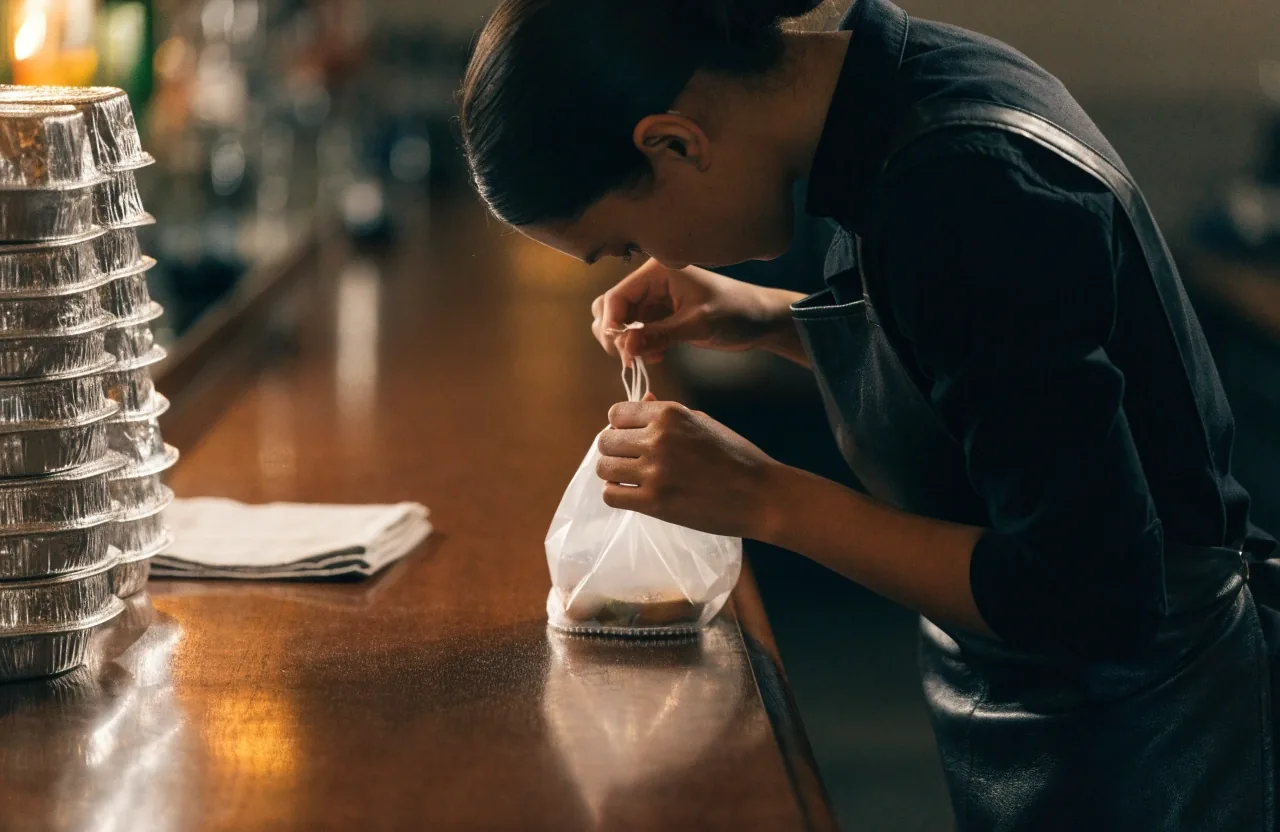
A sealed takeout bag standing on a bare counter with condensation beneath it after service

After the table

Comparing the room is only half of it

A fair number of these chains end up as takeout on somebody’s table rather than a night in the dining room, and the same three axes behave differently once the food leaves the building. Shareable fried appetizers and a burger travel well. A grilled fish plate and a stacked dessert do not, and a room full of screens turns out to matter a great deal less than whether the food is still hot when the bag gets opened. Where a chain wins as a night out, it does not automatically win on the drive home.

Bring your own chain to the table

This list covers nine names, and it is not closed. If a casual dining or bar-and-grill chain belongs on the same page — because your group keeps arguing about it, because it has a room worth comparing, or because it does one occasion better than anything here — send it over with the occasion you would use it for. Notes that name the occasion are the ones that end up shaping the next comparison.

Suggest a chain to compare

Pick the occasion first. The chain sorts itself out from there.

Back to Tranvo Delivery

More on casual dining, takeout, and game-day rooms